Find roof maintenance services
Skilled Roofer for Quality Roof Work
Appointing a qualified roofing expert constitutes a strategic decision for homeowners seeking quality roofing solutions. These professionals not only ensure conformance with local building codes but also provide entry to excellent roofing materials. Their skill to uncover and tackle foreseeable problems ahead of time can save substantial expenditure and effort. Understanding the multiple roofing options obtainable and their advantages can enhance further this process. What aspects should homeowners consider when selecting the right contractor for their needs?
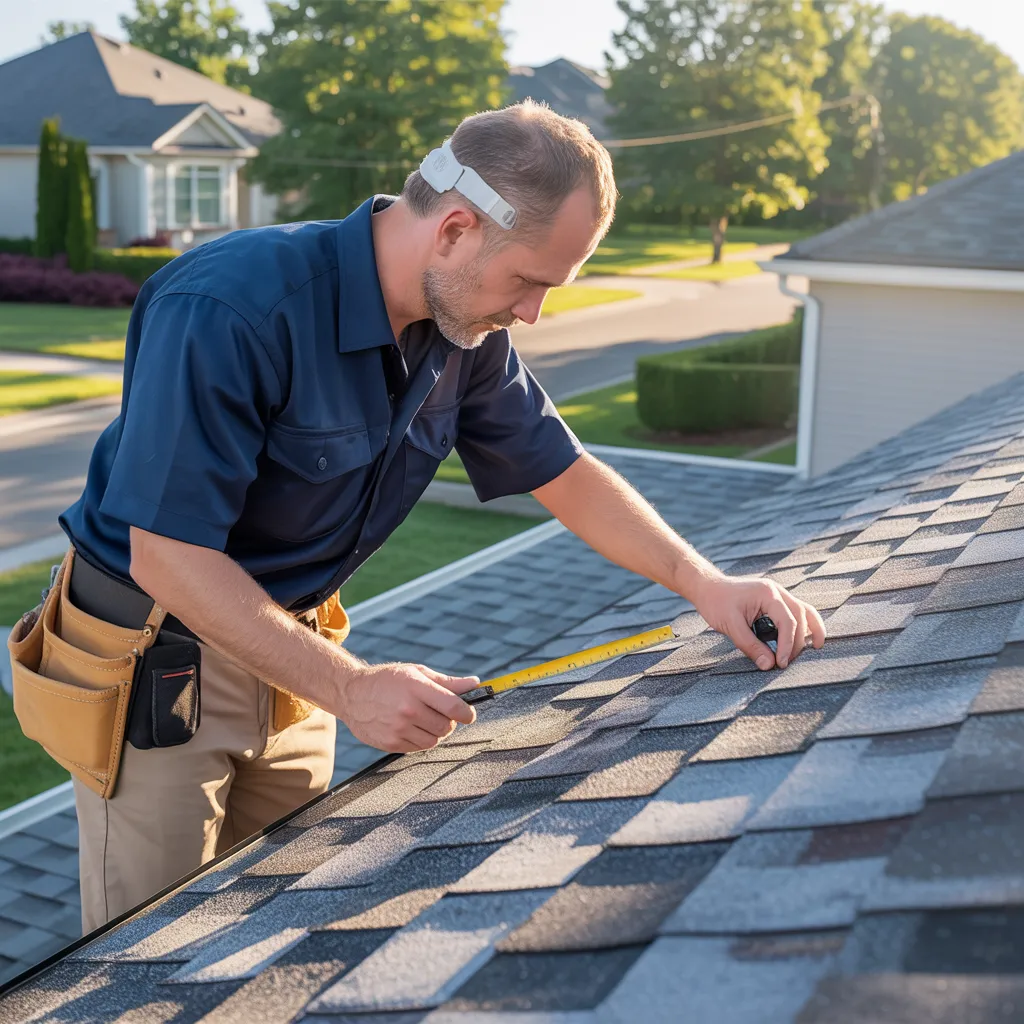
Why You Should Engage a Professional Roofer
When assessing a roof job, engaging a skilled roofing contractor guarantees both superior craftsmanship and secure installation. Professional roofers have the necessary training and expertise to manage different roofing problems effectively. Their experience enables them to identify potential issues before they worsen, ensuring long-term durability. Furthermore, they are knowledgeable in local building codes and compliance requirements, which minimizes the risk of legal complications.
Additionally, experienced roof specialists have availability of high-quality materials that may not be obtainable by the ordinary property owner, enhancing the overall effectiveness of the roof assembly. They also furnish protections that can offer assurance, defending the capital invested in the roofing project. Importantly, protecting safety is critical; professional roofers are supplied with the right tools and protective wear to perform their work without courting injury. To conclude, hiring a experienced roofing expert is a smart option for achieving a trustworthy and protected roofing solution.
An Reference to Popular Roofing Materials and Their Positive Aspects
Numerous roofing materials are obtainable, each offering different advantages tailored for various desires and requirements. Asphalt shingles rank among the most popular due to their affordability, ease of installation, and variety of colors. Metal roofing, recognized for its robustness and extreme weather protection, also bounces back heat, rendering it economical in energy use. Slate tiles provide a classic appearance and exceptional durability, while clay tiles offer superior thermal protection and can handle harsh climates.
For property owners pursuing eco-friendly alternatives, rubber roofing is gaining favor; it mimics the appearance of premium materials and is made with recycled products. Wood shakes give a organic, rustic aesthetic but necessitate more maintenance. Finally, synthetic roofing materials integrate the best aspects of traditional options, providing flexibility and resilience. Each material presents unique benefits, making it important for homeowners to evaluate their priorities and consult professionals when selecting the best roofing solution.
Standard Roof Problems and How Professional Services Remedy Them
Typical roof issues, such as moisture and water penetration, can result in significant structural damage if not handled promptly. Additionally, missing or compromised shingles undermine the roof's structural integrity and expose the home vulnerable to further dangers. Skilled professionals use different techniques to identify and resolve these problems, ensuring durable security and satisfaction professional guide for homeowners.
Leaks and Moisture Damage
Leaks and water damage generate considerable hurdles for homeowners, often bringing about costly repairs and structural concerns. These issues typically emerge from a variety of sources, including aging materials, improper installation, or even severe weather conditions. Water infiltration can impair insulation, support mold growth, and weaken structural integrity. Professional roofers harness advanced techniques to locate and tackle leaks effectively. They carry out thorough inspections to pinpoint vulnerable areas, employing tools such as moisture meters and infrared cameras. Once identified, they introduce targeted solutions, which may include sealing, flashing replacement, or, in severe cases, partial roof replacement. By addressing leaks promptly, professionals help homeowners curtail damage, ensuring long-term protection and peace of mind.
Lost or Damaged Shingles
Roofing issues often manifest through missing or damaged shingles, which can undermine a home's protective barrier. These defects expose the underlying structure to elements, which may cause leaks and additional decay. Professionals typically perform thorough inspections to determine the severity of deterioration. They may suggest replacing individual shingles or entire sections, based on the severity. Using premium-grade supplies, experienced roofers ensure proper installation to avoid subsequent problems. Additionally, they evaluate the roof's overall state to tackle any underlying problems, such as inadequate airflow or foundational deficiencies. Regular maintenance and prompt fixes are essential in preserving a roof's integrity, ultimately safeguarding the home against water intrusion and other natural dangers.
Selecting the Ideal Roof Option for Your House
When selecting the superior roof solution for a home, it is critical to evaluate individual roofing needs at the outset. Recognizing the variety of material options available and their costs can greatly shape the choice process. Budget considerations also play a vital role in confirming that the picked solution meets both aesthetic and operational.
Examining Your Roofing Requirements
How does one determine the most best roofing option for their home? Assessing roofing needs begins with examining the home's structure and local climate. Homeowners should take into account factors such as energy efficiency, durability, and maintenance requirements. A thorough inspection of the existing roof can identify potential issues that may influence the choice of materials. Additionally, budget constraints must be considered; understanding the long-term costs versus initial investment is essential. Consulting with a professional roofer can give valuable insights and recommendations customized to specific needs. Ultimately, the decision should balance aesthetic preferences with functional requirements, ensuring the selected roofing solution enhances the home’s value while delivering lasting protection.
Material Alternatives Outline
Selecting appropriate roof options represents a essential component in the complete roof project. Homeowners should assess multiple alternatives, each offering distinct advantages and drawbacks. Asphalt shingles remain popular due to their low cost and straightforward installation, whereas metal roofing delivers durability and energy efficiency. Clay and concrete tiles present a attractive, enduring choice, especially appropriate for warm climates. Wood shakes deliver a natural aesthetic yet require more maintenance. Synthetic materials, including rubber or plastic, echo conventional looks while delivering improved longevity. Moreover, sustainability concerns might prompt some homeowners to examine eco-conscious alternatives such as green roofs or recycled materials. In the end, choosing the ideal roofing material relies on the home's design, climate, and personal preferences.
Budget Factors Detailed
Budgeting for a roof project usually requires careful consideration of several elements to ensure homeowners choose the most suitable option for their needs. First, material selection significantly impacts both initial costs and long-term durability. Asphalt shingles may be budget-friendly, while metal or tile options might offer greater longevity but at a higher price. Additionally, labor costs can vary based on the roofing contractor’s expertise and the project’s complexity. Homeowners should also factor in potential unexpected expenses, such as the need for structural repairs or permits. Finally, considering long-term savings through energy efficiency and warranties will help in making an informed decision that balances upfront investment with future benefits.
What You Should Understand About the Roofing Procedure
Understanding the roof installation procedure can greatly enhance a homeowner's experience during a roof renovation. Initially, homeowners should anticipate a thorough examination of the current roofing to determine its condition and the required fixes or new installations. Following the assessment, a complete proposal will outline the scope of work, materials, and schedule.
Once the project gets started, homeowners can anticipate an organized setup with safety provisions in place to protect their property. The roofing crew will remove old materials, inspect the underlying structure, and install new roofing systems according to industry standards. Communication is paramount, as homeowners should expect updates on progress and any unexpected problems.
Finally, the project finishes with a thorough inspection to guarantee quality and compliance with specifications. Homeowners should also receive care instructions to extend the life of their new roof, emphasizing the significance of understanding the entire roofing process.
Appreciating Why Regular Roof Inspections Are Important
Although many property owners may overlook roof maintenance, regular inspections are necessary for keeping the structural quality and lifespan of a roof. These inspections help uncover small issues before they become expensive repairs. By recognizing problems such as moisture intrusion, loose shingles, or moss growth early, property owners can save both time and money.
Additionally, regular check-ups guarantee that the roof complies with local building codes and regulations, which can avoid future complications during property transactions. Seasonal changes can damage roofing materials, making it essential to track wear and tear.
Also, a properly maintained roof improves the aesthetic quality of a home and increases its resale worth. Conducting regular checks not only maintains the structural soundness of the property but also delivers reassurance for homeowners. Ultimately, stressing roof inspections is a proactive approach to home care that provides rewards in the long run.
Discovering and Hiring a Skilled Roofer in Your Area
Once realizing the necessity of regular roof evaluations, homeowners commonly contact proficient contractors for maintenance and repairs. Uncovering a trustworthy roofing contractor in their area can be difficult; however, certain vital strategies can make easier the journey.
Starting out, homeowners need to solicit suggestions from neighbors, family, and friends who have completed roof work in the past. Reviews and ratings found on platforms like Google and Yelp can too present insightful information into a roofing professional's reputation.
After a list of potential candidates is compiled, homeowners need to authenticate qualifications, with licenses and insurance. Sourcing multiple quotes facilitates them to compare prices and services offered.
Additionally, asking about coverage and protection plans can help ensure long-lasting results. By following these steps, property owners can confidently hire a professional roofing contractor who satisfies their specific needs, guaranteeing their roofs remain in peak condition for years to come.
Typical Inquiries Posed
What Requirements Matter Most When Choosing a Experienced Roofer?
If you're pursuing a professional roofer, you should focus on qualifications including appropriate licenses, insurance coverage, considerable expertise, strong client testimonials, and respect for industry standards. These components provide dependable quality and defense from potential liabilities.
What Duration Does a Usual Roofing Project Require to Finish?
A standard roofing project usually takes between one to three days, based on the size and complexity of the roof, weather conditions, and the crew's efficiency. Larger or more intricate roofs may require additional time.
Can Roofing Warranties Be Passed On When You Sell Your Home?
Roof warranties are commonly transferable, though certain requirements exist. Residents should check the warranty documents for particulars regarding transferability, as some manufacturers require communication and may impose time limits on the transferring procedure.
What Ought to I Do if I Observe Roofing Issues After a Storm?
If roof damage is suspected after a storm, the homeowner should inspect the roof for visible issues, record all damage, and contact an expert for an assessment to determine necessary repairs and prevent further problems.
What Can I Do to Care for My Roof Between Professional Assessments?
Routinely review the roof for debris, check for compromised shingles, and clear gutters to prevent water retention. Resolve small issues promptly and remain alert for marks of leaks or wear between professional inspections.